
PROJECT SENGLEA SPUR
PROJECT ARCHITECT CLAUDE BORG
20XX | Arch-con Atelier
Hero Image… soon!
Restoration of the Senglea Spur Fortifications
The restoration of the Senglea Spur was a conservation project focused on stabilising, repairing and protecting one of Malta’s important historic fortifications, while retaining as much of its original fabric and character as possible.
The Spur, or Sperone, is located at the tip of the Senglea peninsula. Built before the late 1550s, it formed an important part of the city's defensive system and played a significant role during the Great Siege of 1565. Over the centuries, the fortifications were altered and adapted, leaving a complex structure made up of different periods, materials and construction techniques.
A sensitive approach to conservation
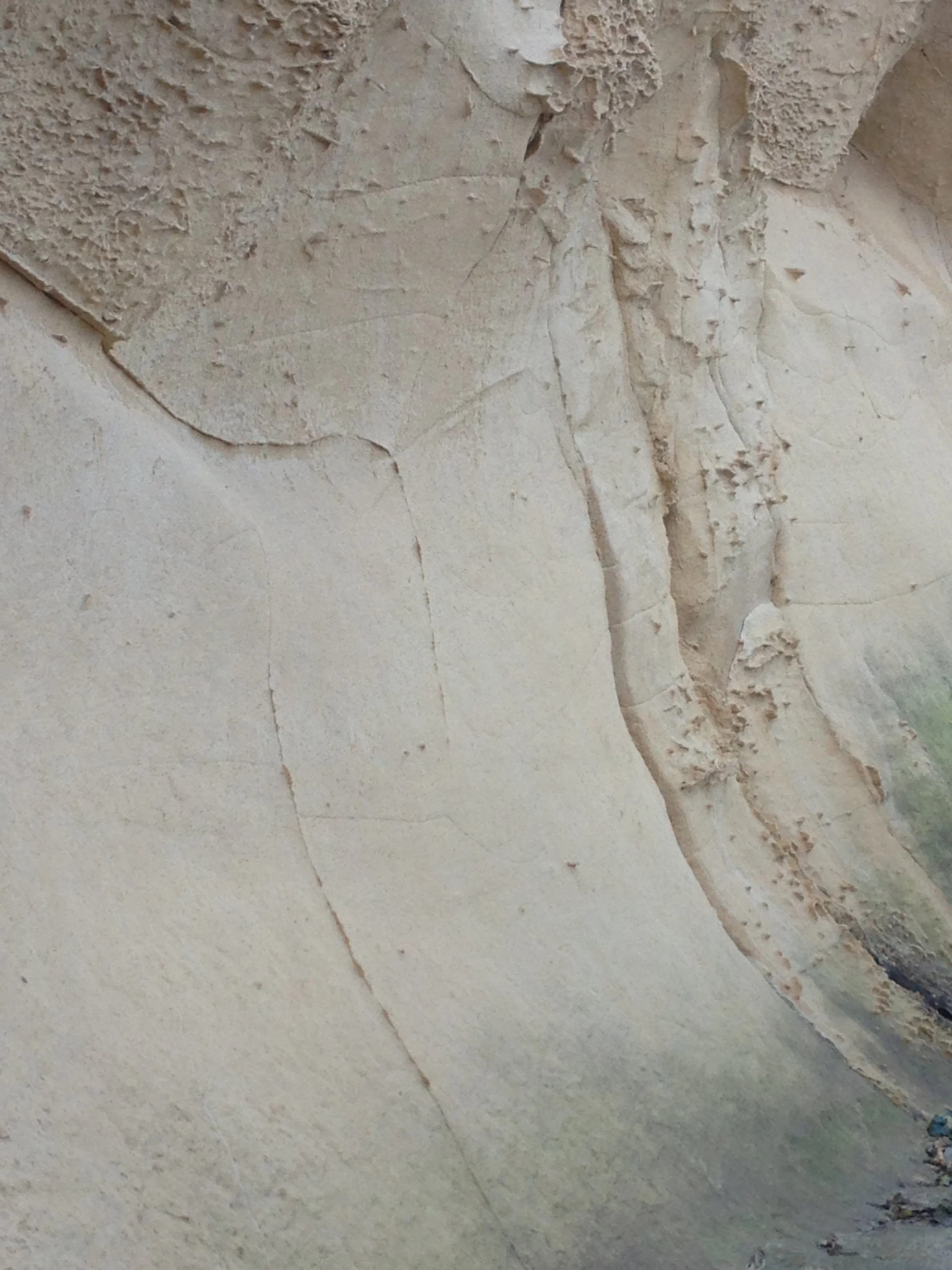
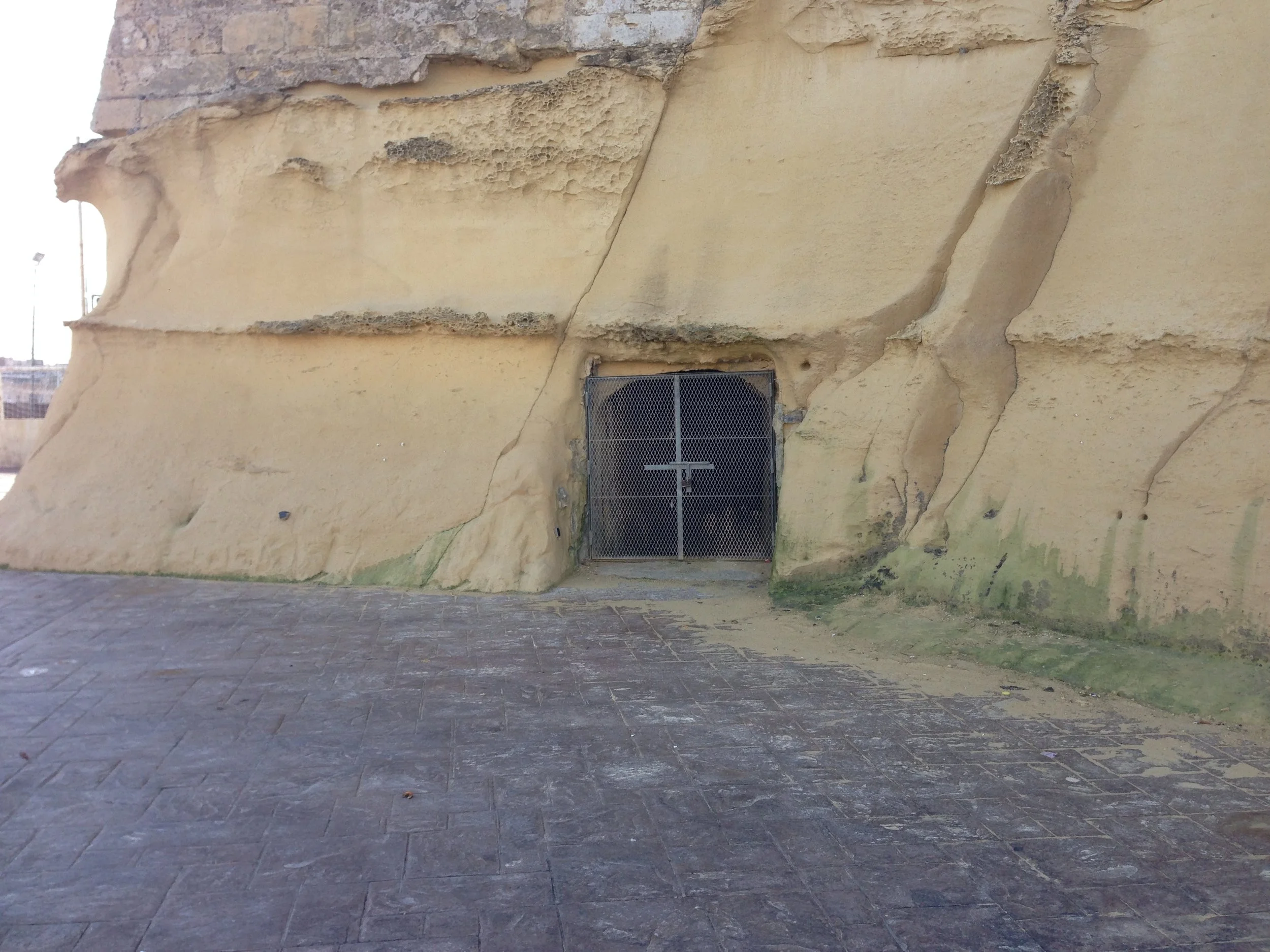
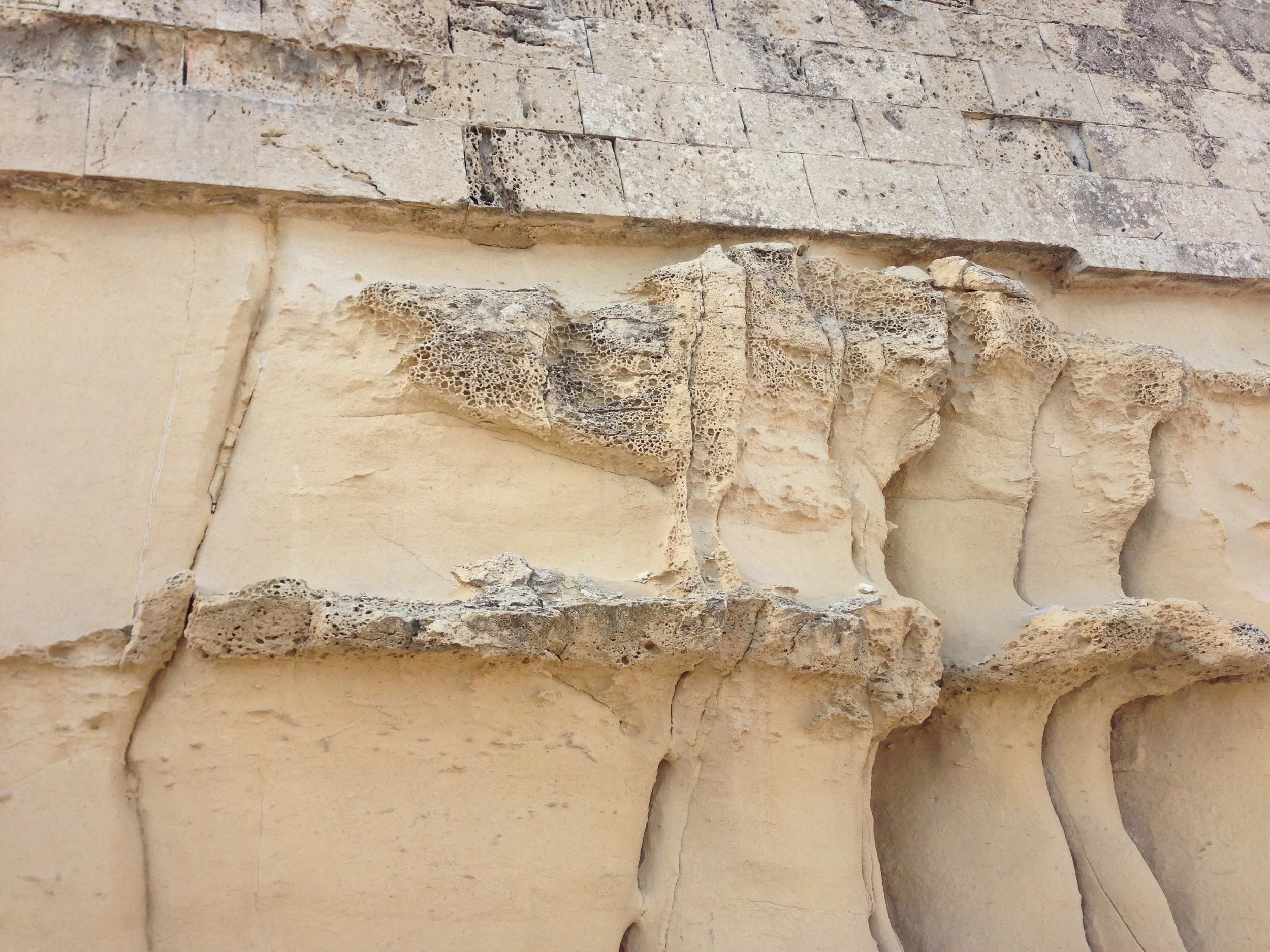
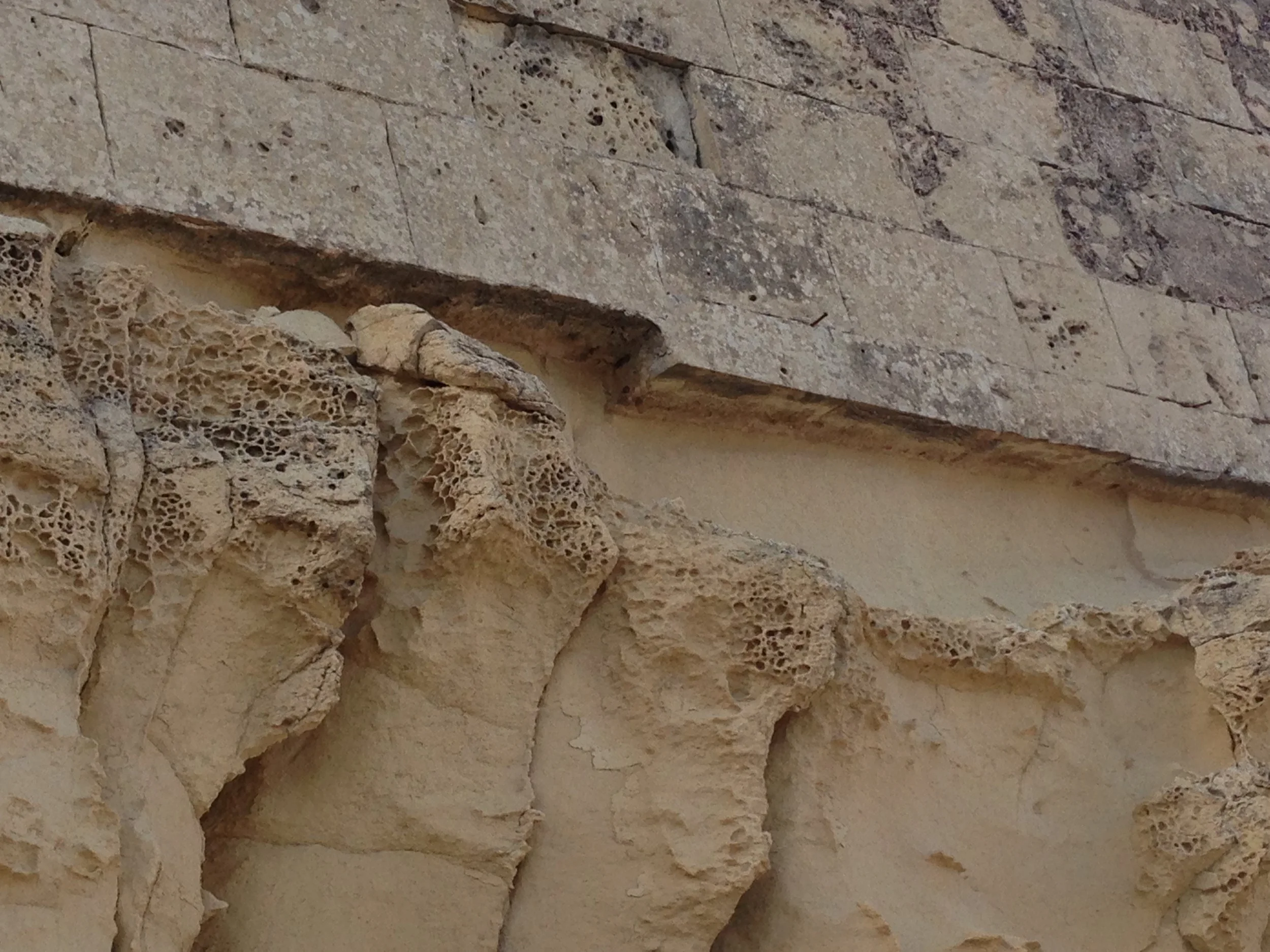
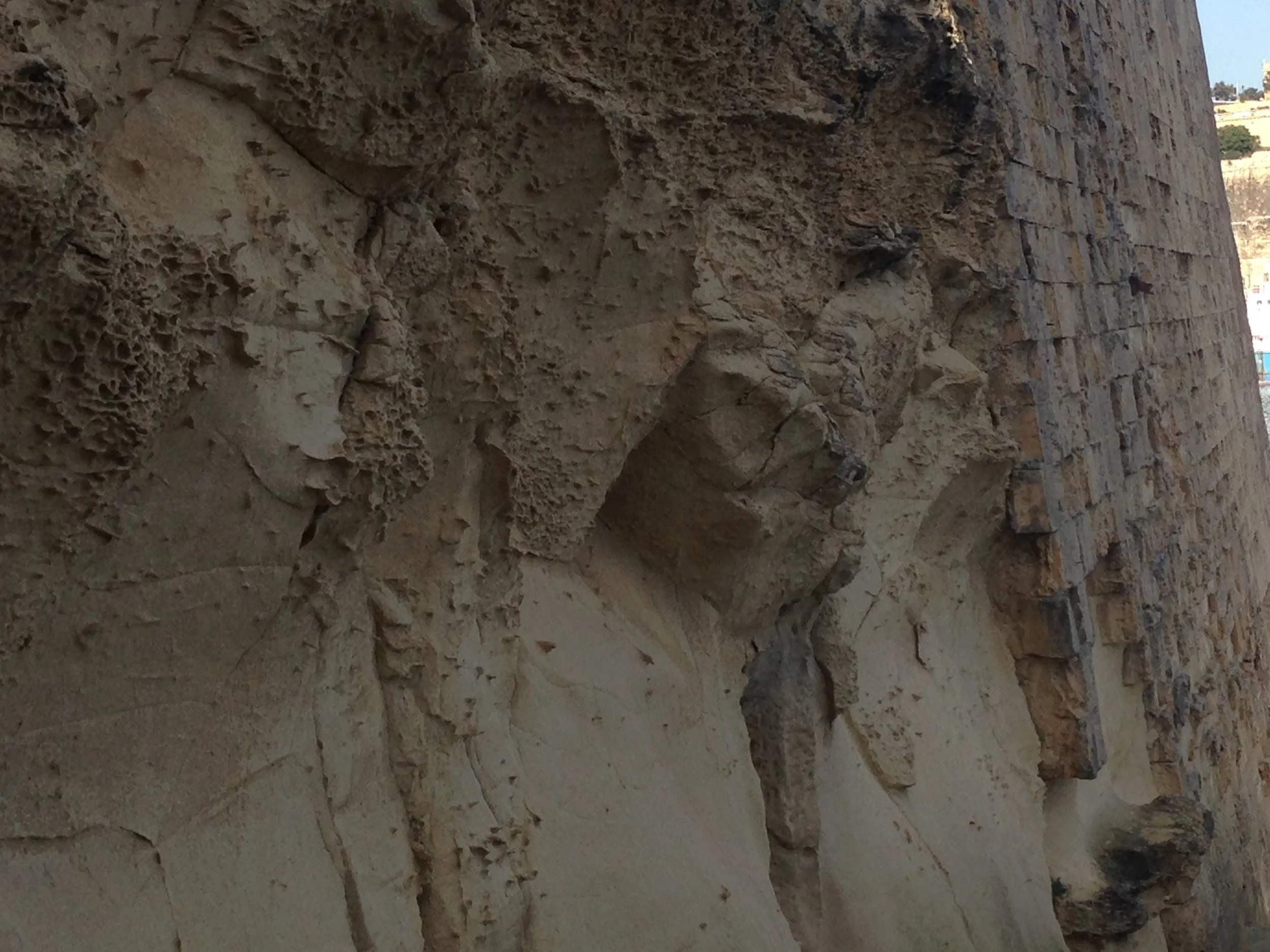
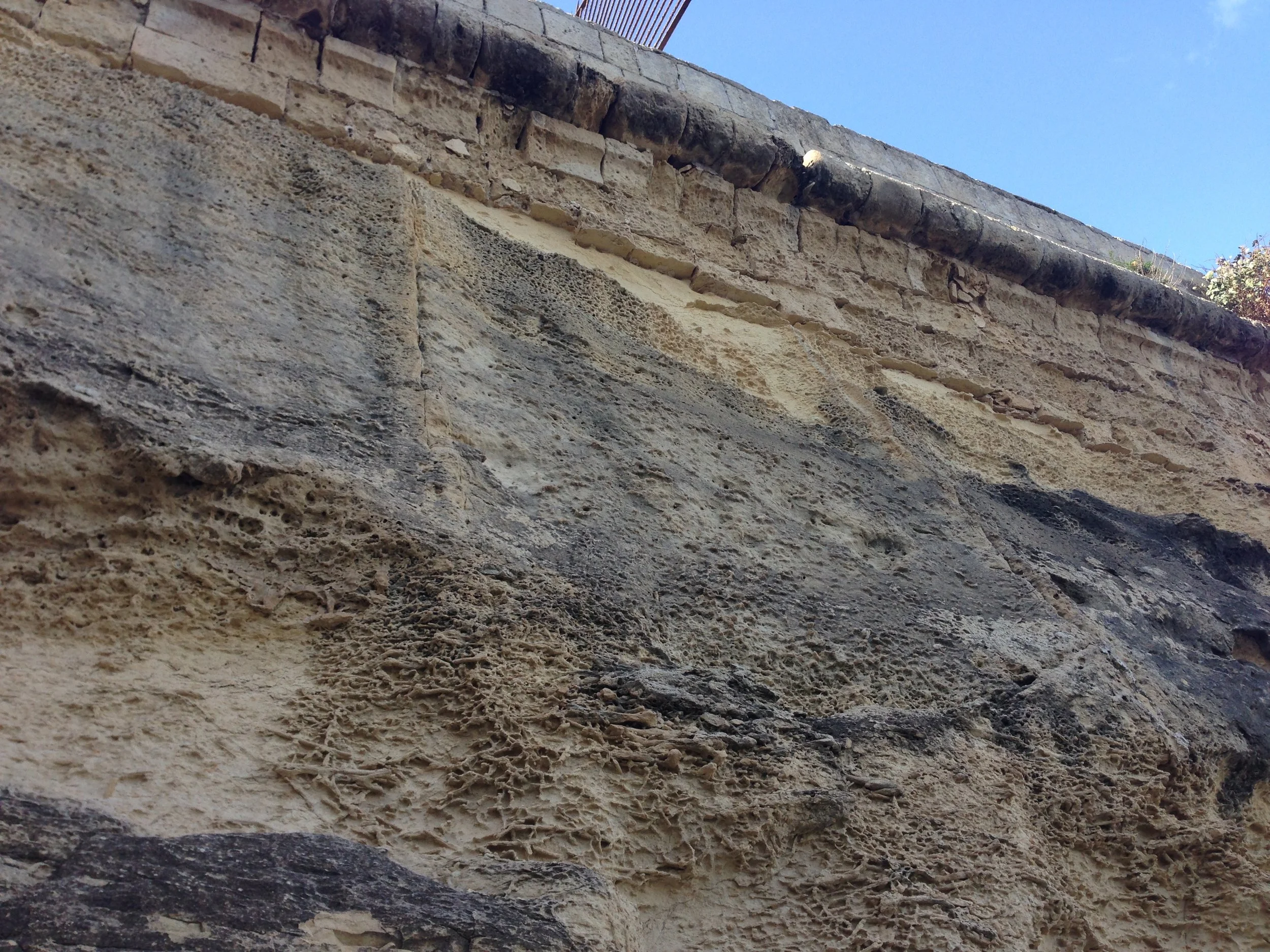
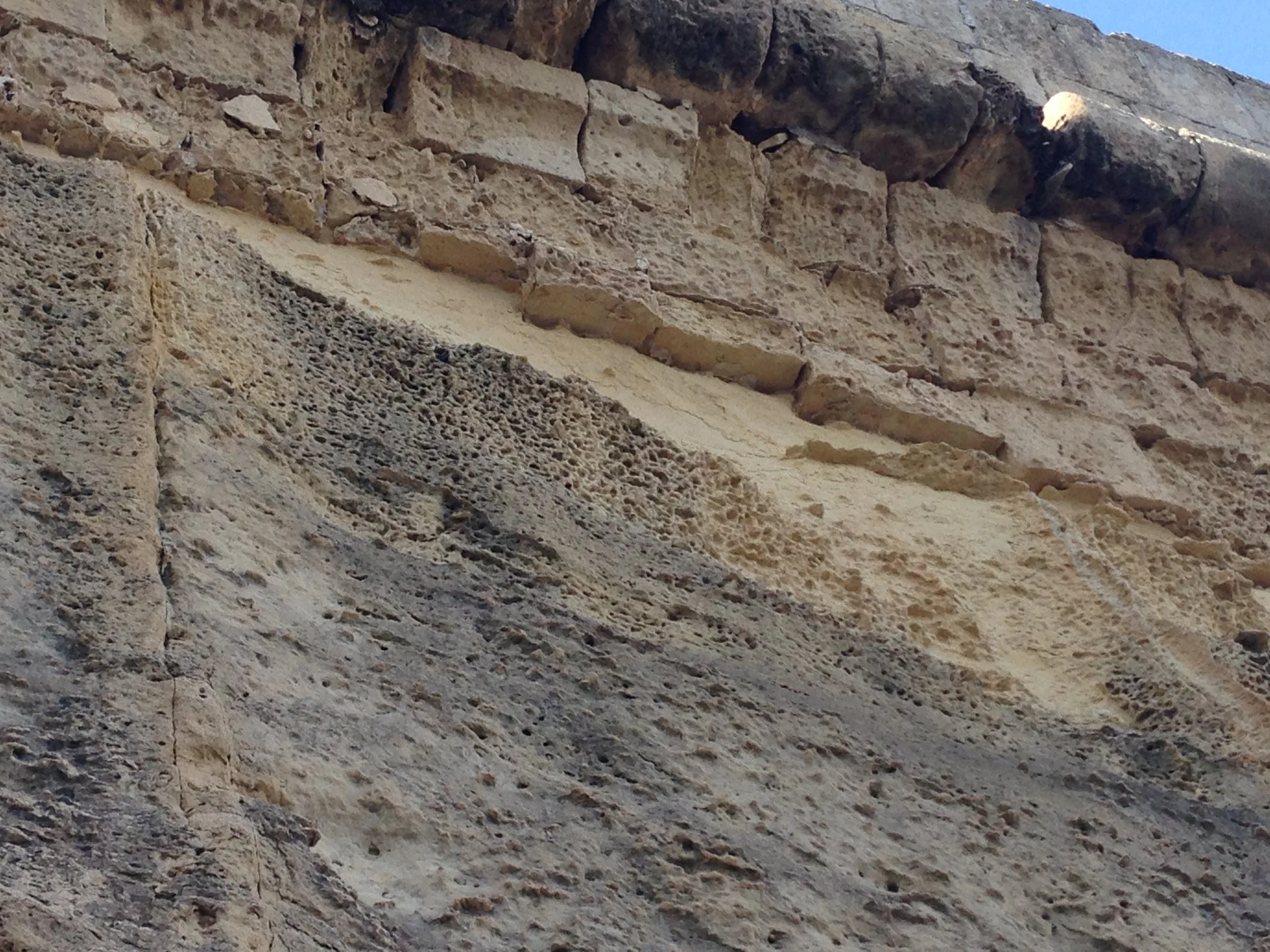
By the time of the project, parts of the Spur were showing serious deterioration. The exposed position of the fortifications, weathering and salt contamination had caused extensive damage, particularly to the exposed rock surfaces.
The aim was not to make the fortification look new, but to stabilise what remained, repair areas that were at risk and ensure that the historic structure could survive for the future.
Each part of the fortification was assessed according to its condition. As the materials and forms of deterioration varied considerably, the treatment was adapted to the particular location rather than applying one solution throughout.
Consolidating the rock
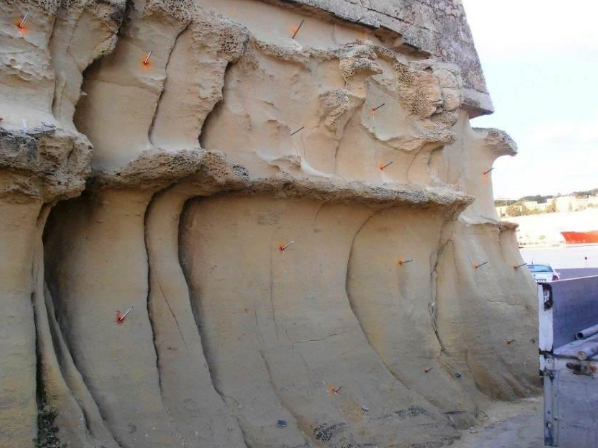
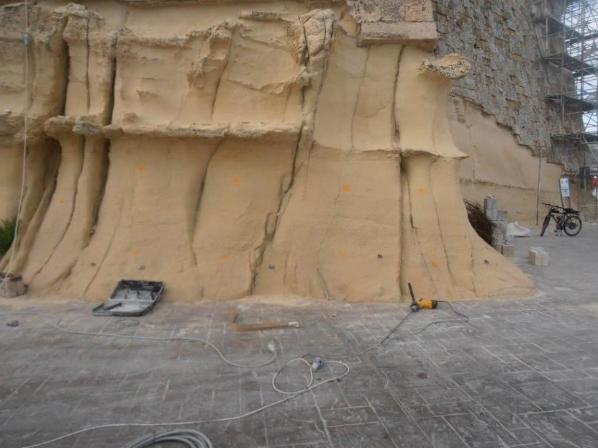
The most significant intervention involved the consolidation of the deteriorated rock face.
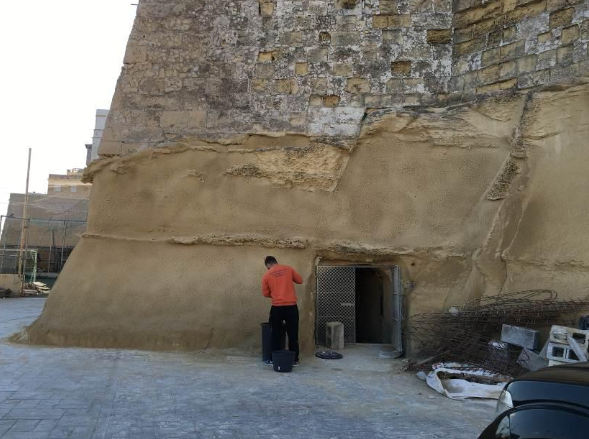
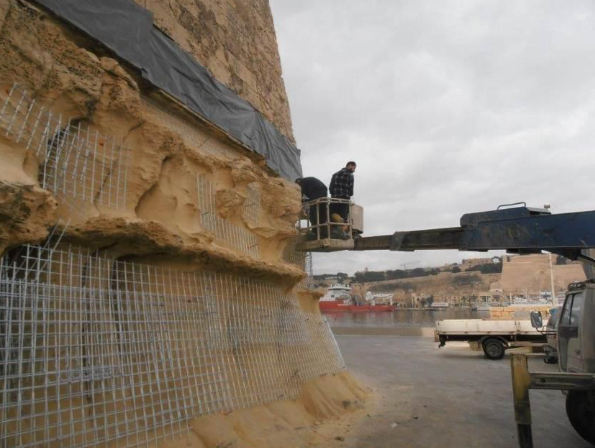
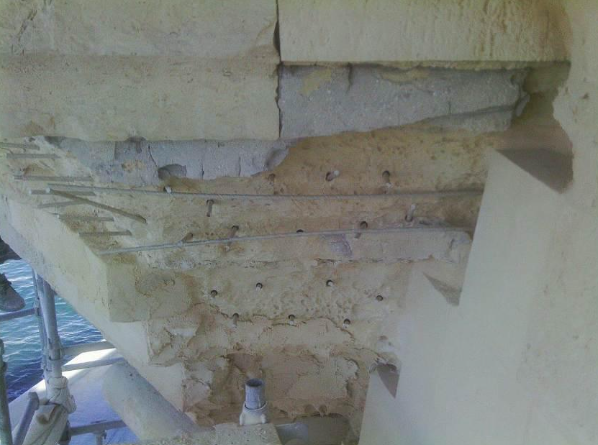
In areas where the rock had delaminated or sections had collapsed, rock bolts were introduced to stabilise the remaining material. In one particularly damaged corner, erosion had removed almost a metre of the rock face.
Here, a carefully designed structural repair was necessary. Reinforcement rods and mesh were introduced before applying a specially formulated shotcrete mix to rebuild and stabilise the damaged area.
The mix was deliberately developed to blend with the existing rock in colour and texture, allowing the structural repair to remain visually discreet while providing the necessary strength and protection.
The intention was to make the intervention legible to a trained eye, but not to allow the repair to dominate the historic structure.
Repairing earlier interventions
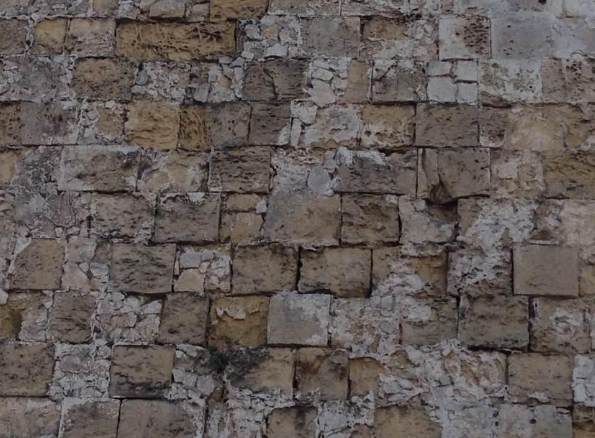
The Spur had already undergone several interventions in the past. Rather than automatically removing these layers, the project recognised them as part of the building's history.
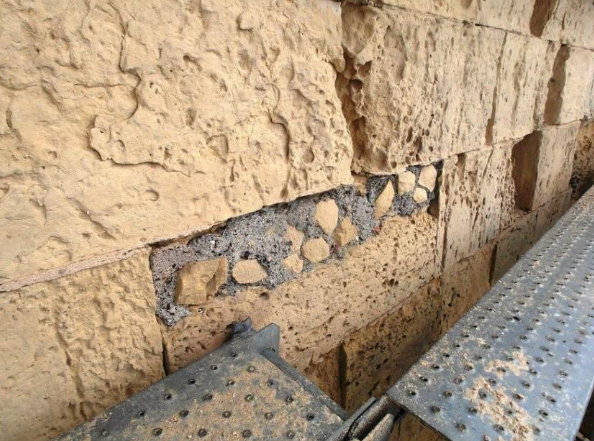
Earlier repairs using rendered pebble finishes, replacement stone and textured surfaces were therefore retained, repaired and consolidated where appropriate.
This approach avoided unnecessary loss of historic material and allowed the different phases of the fortification's history to remain visible.
Stonework and surface repairs
Cleaning and repointing were carried out where required, using methods appropriate to the existing masonry.
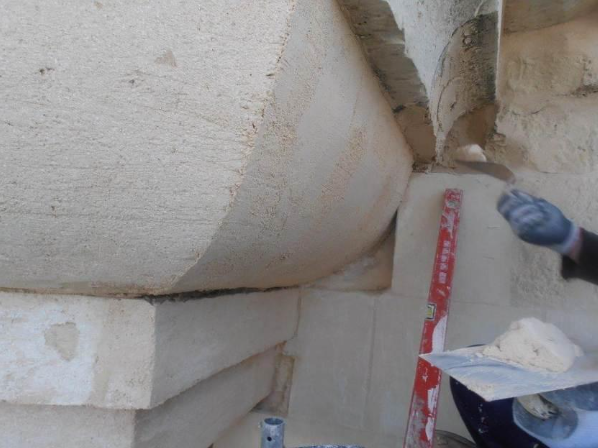
Where stone was missing or severely deteriorated, replacement was limited to areas where it was necessary for the stability and protection of the structure. New stone was selected to correspond with the existing material and traditional surface treatments.
In some areas, a compatible non-shrink repair material, with properties similar to globigerina limestone, was used to rebuild missing sections without unnecessarily replacing sound historic stone.
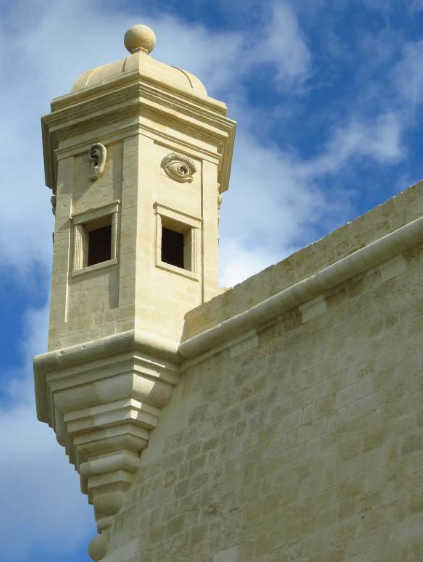
Conserving the Gardjola base
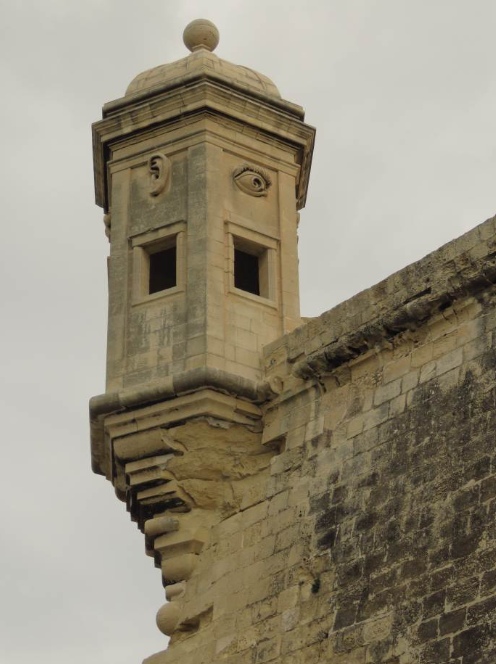
The historic gardjola base was another important element of the intervention.
Rather than dismantling the structure, the base was consolidated in situ, preserving its existing fabric. Only where necessary were large missing or deteriorated blocks replaced.
This reflects the overall philosophy of the project: retain what is there, intervene only where necessary, and make the new work as compatible and visually sensitive as possible.
Protecting the Spur for the future
The restoration of the Senglea Spur was therefore not simply a process of repairing damaged masonry.
It was an exercise in careful conservation and structural consolidation — understanding the existing fortification, identifying where intervention was necessary, and using targeted repairs to extend the life of the historic fabric.
The completed work provides greater stability and protection while retaining the character, materiality and evidence of the fortification's long history.
The objective was simple: to safeguard the Spur without erasing its history.
Pictures of the Finished Project… Soon!